
Archivos de Category: Information

Information
Prosac

Underwater noise in Chile. An environmental problem

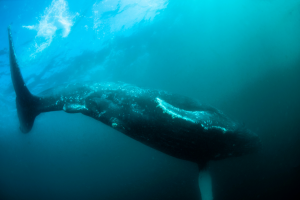
Today, underwater noise has become one of the main problems facing marine wildlife. This problem, together with the growing pollution of the oceans, has a negative impact on the marine ecosystem, putting all its inhabitants at risk. Chile’s seas have been suffering from this problem for several years, mainly due to the high volume of maritime traffic in the area. All of this has had multiple consequences for the species that inhabit the area, especially on their hearing systems. Next, we will talk about the impact that underwater noise has on the ecosystem, its main causes and how to reduce its pollution levels. How underwater noise impacts aquatic species To understand how underwater noise influences the life of aquatic species, we need to understand how sound behaves underwater. In this way, we will understand why ocean noise pollution is a problem that must be tackled before it is too late. How does sound behave underwater? Due to the difference between the density of air and water, the behavior of sound in both media is totally different. Some of these differences are: The speed of sound in water is 4 times the speed of sound in air. Due to these propagation velocities, sound waves are of greater magnitude in water than in air. In water, sound is able to reach much farther than air and can propagate for many kilometers. What impact does noise have on marine wildlife? Underwater noise in Chile is an issue that can have catastrophic consequences if not addressed in time. An increase in underwater noise impedes the normal development of species by modifying their behavior. In the oceans, the life of their inhabitants depends mainly on their auditory system, even more than on their vision. Because of this, increased underwater noise pollution can be the cause of various problems such as disorientation. Disorientation in marine species makes daily tasks such as finding food, migration and even reproduction difficult. Noise pollution generates cumulative damage, which means that if it persists for a prolonged period of time it can lead to permanent hearing loss. Main sources of underwater noise in Chile Globally, the main cause of underwater noise is the increase of human activities in the oceans. This intensification of maritime activities has been occurring for the last 100 years, introducing various types of artificial noise into the marine ecosystem. So far, the main causes of anthropogenic underwater noise are: Ship traffic. According to different studies, maritime traffic is the main source of continuous noise worldwide. This noise comes not only from the engines that drive the vessels, but also includes the sonar navigation systems used for different purposes. Pile driving operations. This activity generates high levels of impulsive noise. To reduce their acoustic impact on marine fauna, the use of microbubble air curtains applied around these construction sites, which attenuate sound propagation by acting as an acoustic barrier, has recently increased. Truncations. Underwater blasting is one of the largest sources of anthropogenic noise, generating sound pulses that can propagate over great distances. Dredging and construction. Dredging and tunnel construction both in and near the sea generate sonic waves and vibrations that result in significant underwater noise pollution. Noise produced by drilling in oil and gas production. Noises generated in geophysical investigations. On some occasions, certain studies require the generation of seismic waves that are produced by very loud noises of short duration. Some methods used to generate such noises are air cannons, gas cannons, explosives, and sea floor pounding. Submarine eruptions and earthquakes. Although they do not depend on us, when they occur they provoke great expansive waves capable of destroying everything in their path. How can underwater noise be reduced? Since underwater noise pollution is mainly caused by human activity, measures to reduce it are also up to us. One of the main recommendations made by underwater noise specialists is to reduce the noise generated by vessels. To achieve this goal, various measures have been proposed for the protection of aquatic species around the world. One of them is the use of electric motors instead of the traditional combustion engines found in ships. On the other hand, the reduction of vessel speed has also been studied in order to reduce the shock waves they produce. Another alternative for the protection of marine fauna would be the implementation of new laws and regulations to regulate man-made underwater noise levels. How is underwater noise legally regulated in Chile? Although there is currently no specific law in Chile regulating underwater noise emissions, the issue is addressed by other legislation. According to Law 19,300 of the Ministry of the Environment, any project that may generate adverse effects on the marine ecosystem must present an environmental impact study in reference to international standards before being executed. At present, there are several international studies and documents developed in this field, such as the Technical Guide for the Evaluation of Anthropogenic Noise Effects on Marine Mammals (United States) or the Guide to Underwater Noise from Pile Driving (Australia). On the other hand, the Operational Committee for the Control of Underwater Noise seeks to reduce the impact of underwater noise on Chilean ecosystems. This committee is composed of various state institutions and seeks to strengthen protection against noise pollution of the seas. Underwater noise is everyone’s problem Underwater noise pollution is not only a problem in Chile. On the contrary, its negative effects are damaging marine ecosystems around the world and a concerted effort is required to control it. Various initiatives have been implemented around the world to minimize the amount of noise reaching the oceans. It only remains for us to become aware of how noise can affect entire ecosystems and harm the well-being of various marine species.

Leer más »
Information
Prosac

How is the issue of noise nuisance regulated and what are the sanctions?

How is the issue of noise nuisance regulated and what are the sanctions? Of the complaints received annually by the Superintendency of the Environment, 50% are noise nuisance complaints. Although these are not as mediatic, lawsuits of this type are the most widely handled environmental issue in Chile. Due to the frequency with which these claims are presented, the Ministry of the Environment established a new way to manage them. Here we talk to you about this issue and clarify the new sanctions that have been established. How are noise nuisances currently regulated? Noise is the sensation produced in the ear by the vibratory movements of bodies. It is transmitted through media such as air, and has two characteristics: frequency and level. It is according to the scale of this last factor that annoying noises are classified. The noise level is measured in decibels and this is regulated by a law established by the Superintendence of the Environment. The standard establishes that in residential areas there can be a maximum noise level that varies between 55 and 65 dB (A). This level is accepted from 7:00 am to 9:00 pm. From 9 PM to 7 AM, noises between 45 and 50 dB (A) maximum are allowed. To give an example, this level is the level on a street where there is not much traffic. Does this regulation apply to all types of noise? Something important to note about this standard in force in Chile is that it does not apply to all types of noise sources; the following are excluded from its regulation: Air, maritime, rail and vehicular traffic. Emergency and alarm systems. Blasting and/or blastings. Use of public space for pedestrian and vehicular traffic, demonstrations, advertising, street commerce, free fairs, acts, events or similar. Activities related to homes and residential buildings, such as household repairs, alterations, movement and gathering of people, household appliances, voices, pets and the like. What is the Chilean agency in charge of controlling noise nuisance? The Superintendency of the Environment is the entity in charge of controlling the emission of any noise that is considered a nuisance according to the law. In addition, it must monitor the compliance of each provision related to this field. Another of the tasks of the SMA is to report to the Ministry of the Environment on compliance with the provisions. This is done on an annual basis, and the report provided to this body also includes the sanctions applied during the year. This Chilean Superintendency also shows the Ministry of the Environment which items received the most complaints. In addition, a comparison is made with the previous year and a determination is made as to which item had the greatest increase in the number of complaints. Can the municipality be in charge of noise nuisance regulation? In Chile, the municipalities do have the authority to regulate these noises, and to do so they must take into account the municipal ordinances. Each municipality is responsible for the level of noise produced in homes, businesses and public or private activities carried out in the area. In the case of condominiums, each co-owner, lessee or occupant must not disturb others with noise. This is not allowed during hours that are generally intended for rest. How do I report an excessive noise level in a condominium or municipality? There are several ways in which it is possible to make these types of complaints, the main one is in a Local Police Court. It is also valid to contact the Carabineros, who will proceed according to their attributions and refer the process to the Local Police Judge. It should be noted that in order for the affected person to benefit from the provisions of the law regarding a noise nuisance, it is necessary to file a complaint as soon as possible. What is established is that the procedure must be complied with within 3 months following the incident with the excessive noise level. What are the penalties for noise nuisance? Once the lawsuit is filed and the authority determines that there was a breach of the noise nuisance standard, what happens? An infraction is established for the person who generated the excessive noise, at an improper time and in a place where it was prohibited by law. The type of infraction is established in Article 39 of Law 20.417 of the Superintendency of the Environment. There it states that the sanctions that apply in these cases are as follows: Written warnings. Fines from one to ten thousand Tax Units per year. Temporary or definitive closures. Revocations of the Environmental Qualification Resolution. This article also establishes that infringements may be minor, serious or very serious. The rate to be applied depends on the determination of the authorities handling the claim. Nuisance noise regulation is beneficial! Noise control is very important, especially in communities that are most affected by noise pollution. Regulating noise nuisance is a regulation that protects the environment and anyone who may be affected by a high noise level.

Leer más »
Information
Prosac

Noise and vibration measurement what is it about?

What is a noise and vibration measurement? Why is it necessary? Noise and vibration are present, to a greater or lesser degree, in all activities and production processes. If these factors are excessive, they can cause damage to people and the environment. In order for you not to have any problems with noise and vibration, it is essential that you know more about ways to predict and evaluate them. In this article we talk about this important issue for both people’s health and the care of the environment. What is noise and vibration measurement? Noise and vibration measurement is a beneficial and useful study in many ways. It is used to determine whether the noise and vibrations generated by certain activities, projects and even businesses are capable of causing discomfort to human beings. In addition, this kind of study protects the environment, as it does not increase noise pollution. The measurement is aimed at verifying the environmental regulations in force in Chile, such as Law No. 19,300 on General Bases of the Environment. The procedure is based on what is established in the Guide for the prediction and evaluation of noise and vibration impacts in the SEIA. What are the effects of excessive noise and vibration? The measurements to be carried out assess whether the projects that are subjected to them are capable of causing certain effects. The consequences to be predicted are as follows: Risk to people’s health. Negative effects on the quality and quantity of renewable natural resources, including air, water and soil. Significant alteration in customs or living systems of human communities. Location near protected areas, resources or populations. Alteration in the duration of the tourist value or landscaping of an area. Damage to cultural heritage sites, monuments or sites of historical, archeological or anthropological value. What happens when any of these circumstances or effects occur? In case the project where the noise and vibration measurement is performed generates one or more of these effects, what should be done? It is necessary for the person who is the owner of this activity to carry out an EIA, that is to say, an Environmental Impact Study. This document establishes that the project is responsible for the consequences of the noise and vibrations it generates. It also presents the measures that will be used to compensate, mitigate and repair the effects caused by these two factors. No significant environmental impact of the project Obviously, there may also be cases in which the measurement shows that a project or activity does not generate significant environmental impact. When this happens, an EIS or Environmental Impact Statement is filed. This statement demonstrates that the project complies with applicable environmental regulations. Likewise, the non-existence of effects, characteristics or circumstances harmful to the environment is justified. For its part, the competent Chilean authority is responsible for verifying and certifying that everything stated in the Environmental Impact Statement is true. It also grants the environmental permits established by current regulations. Where to perform this kind of measurement? Several places where noise and vibration measurements are important come to mind. One of them are construction sites, the machines used in them generate a lot of noise and vibration, it is relevant to determine how much damage they can cause to the environment. On the other hand, wind farms, airports and terminals also have the opportunity to use this measurement. Industrial sites must comply with limitations on the noise and vibrations they generate. Any of these activities and many more can request a vibration and noise measurement. It is through this study that they obtain the environmental permits to carry out their projects. They also determine whether it is necessary to apply measures to reduce their environmental impact or compensate for it. Why is it important to perform noise and vibration measurement? This measurement avoids health risks to people in the vicinity of the project and to employees. In addition, claims by local entities for negative effects of noise and vibration are prevented. The most important thing about this kind of measurement is that you contribute to the care of the environment and its resources. Finally, you comply with regulations and carry out the project in a completely safe manner. Perform noise and vibration measurements for your project! Noise pollution is gaining prominence and environmental and project noise, as well as vibrations, are part of the problem. That is why it is so important to measure these factors before starting any activity. Quality measurement is paramount, especially now that it is time to become aware of the damage being caused to the planet. In Chile you can contact specialists in Acoustic Engineering, among their services are noise and vibration measurements.

Leer más »
Information
Prosac

Know the Underwater Noise Factors

The ocean has millions of species that live in the sea, and we know that environmental pollution is one of the main causes for which they suffer the most, as well as sonic pollution, another important reason why animals are harmed. In this case, the pollutant is underwater noise, which is caused by boaters, construction, drilling and oil production near the sea. We will detail below the problems that have led to an increase in underwater noise in recent years and the evaluations that have been carried out to control it. Impact of underwater noise in recent years Noise pollution is a very sensitive issue in Chile and the rest of the world. The symptoms that the species present when witnessing such a problem are the following: Different species, from small fish to whales, can become disoriented. They lose their hearing system. And in very extreme cases, death occurs. These effects overflowed a problem due to the lack of National Legislation to regulate underwater noise and it was for this reason that the Ministry of the Environment formed an Operational Committee to seek a solution to the noise established in marine fauna. So far, the greatest underwater noise impact is caused by traffic at sea. Sixty years have passed and the increase in underwater noise has developed further, as imported goods are commonly transported by ship, causing more danger in this environment. Underwater Noise Assessment Report The evaluations of Underwater Noise that were made in different  areas de Chile, as in Puerto Montt, Valdivia, Osorno and Aysen, showed the strong consequences that were generated underwater, showing how the sound waves were prolonged, generating discomfort to the species.  Thus, they began to pay more attention to these details and studies began to emerge. An example of this was in 2015, where we participated in the first proposal to make acoustic measurements in the rivers of Valdivia. This research was coordinated under a field recording and his plan was to make river tours and evaluate the noises that were present. The equipment to achieve this result consisted of a kayak, microphone and hydrophone, which remained on a carrier buoy and data analysis software. Their investigation concluded with a noise assessment report stating that they had discovered significant sound levels under the sea produced by maritime traffic. Suggestions to avoid noise under the sea As we have already mentioned, one of the main reasons why noise is generated under the sea are the boats, if the engine is large and increases speed, the noise that is spreading throughout the sea brings great consequences. This is due to the power arising from the boats, i.e., it is suggested to slow down in areas where there are protected species such as in the case of the Nature Sanctuary. On the other hand, it has been proven that combustion boats are noisier than electric motors. Therefore, it is recommended to make use of them to avoid the spread of contamination on the seabed. Marine agreements Although the issue of underwater noise has been discussed for some time now, there is still no national standard that establishes penalties for noise caused by anthropogenic activities.  During 2018, a technical group of the Chilean Ministry of the Environment was formed, which complies with defending marine noise pollution and marine fauna. In this way, it was concluded that any project entered into the Environmental Evaluation System – SEA, must confirm the existence of contamination through reports that reflect the underwater noise in the sea. It is at these moments that we must ask ourselves. What is the situation under the sea like in the face of the pollution emitted by humans? How will the species of the sea feel as they pass through the underwater noise?  Even if we do not live under the sea or do not witness with our eyes everything that happens in the ocean, we must learn to conserve our nature. Let’s follow the regulations and take good care of them.

Leer más »
Information
Prosac

Underwater Noise Assessment for Marine Wildlife Protection

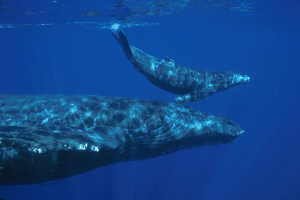
The underwater noise are part of great consequences for marine fauna. And it is caused especially by maritime transit. and construction activities. Various institutions in Chile have been alert to this situation and have already have shown positive results thanks to the committee they have formed for improving this inconvenience that is generated in the home of these species. These advances allow standardizing criteria in the evaluation of underwater noise with highly qualified equipment to establish accurate results of the noise levels propagating through the marine environment. However, all the evaluations that The main problems that have been addressed so far have to do with the physical effects and behavioral alteration in the species that live under the sea. In this opportunity we will detail what the consequences have been in greater detail. Read on for more information know how to contribute to marine species. The danger to whales and bivalves through the use of of underwater noise All the sounds coming from the surface of the sea, bring large consequences to the living beings that live underwater. Since, the vast majority of fish or whales are guided through thestrong, sound and when confronted with such aggressive noise, they often lose the sense of orientation and suffer from malformations or stress. On the other hand, it was found that about 66 fishes and 33 mollusks (among whales, seals and dolphins), die from witnessing these sounds on a daily basis. This becomes a great danger for these innocent beings. As for the bivalves, which are responsible for keeping the interior of the sea purified are also suffering (by small as they may be), of the acts contamination on the surface. This is really alarming, as it does not only large fish are exposed, but every part of the living beings and all the fauna that surrounds them. Impacts generated in Chile’s seas Chile has has been one of the countries involved in the consequences of underwater noise, since the 1980s, some of which have studies evaluated the strong waves that were transmitted under the sea. And it was until the last few years, when they began to take the necessary restrictions to regulate underwater noise. However, from that moment until today, an evolution of damage to the marine fauna has occurred. It is worth noting that Chile’s seas are home to around 50 marine mammals, more than 160 seabirds, 6 reptiles and more than 300 species of fish, not counting the reproductions that these species have with each other. That is why keeping the ocean free of underwater noise is essential for these beings, because one of their vital sources is hearing and if it is destroyed, irreparable damage will be found in each species. The strong sound waves that pass through the underwater species cause disasters in their fauna, some beings die and others are simply injured. This is due to the disaster that humans carry out on the surface of the sea, without measuring the reactions of the beings that live under the water. Thus, witnessing such consequences, companies such as System of Environmental Assessment (SEA) took the initiative to assess the underwater noise to protect their habitat and all marine fauna. Global impacts of underwater noise The problem of underwater noise is found in different countries, and it is that about 95% of goods coming from abroad are moved by sea. This is the reason why the sea has been so affected in recent years. Even so, these transfers cannot take any other route, since it is the safest method for the transfer of merchandise, which increases annually due to the demand of the different markets. In conclusion, there is greater noise intensity in marine cargoes, more pollution and more species deaths. That is why it is suggested to take measures to protect the sea at a global level, as it brings greater benefits to the ocean and the thousands of species that inhabit it. Some of the recommendations to reduce the noise under the sea are: Use boats with electric motors Carry a medium speed so as not to cause shock waves. The support that the sea receives at this time will begin to bear fruit very soon, because the mistreatment it receives from human beings, by discarding garbage or marine traffic that causes underwater noise, is really destructible. Awareness is a feeling that should be born in every marine traveler and educating them about it is an action where we can all contribute. Conserve the environment and continue to support these initiatives to protect it. A healthy world is a better world.

Leer más »
Information
Prosac

Environmental Noise: Preventing an SMA audit to your company

Environmental Noise Audit by the Super Intendencia del Medio Ambiente? See here how to avoid it. Facing constant complaints from neighbors about the environmental noise of your company may lead to an inspection by the SMA. This is certainly not a scenario that we want to contemplate, especially when there is the possibility of fines or a cessation of activities. In case of non-compliance, the solution is in your hands. Initial phase of environmental noise audit Those who work in sectors associated with construction, infrastructure, manufacturing, commerce, services, entertainment, among others, are subject to the noise emission or environmental noise standard. This means that the ambient acoustics of your company must be within the established limits. If this is not the case, this situation may trigger an inspection process by the SMA (Superintendencia del Medio Ambiente). In the event that the Superintendency charges you, we recommend that you prepare a Compliance Program as soon as possible. Generally, depending on the violation, you have 10 business days to deliver the document. In essence, it is an action plan with concrete measures to comply with the provisions of the legal noise control. The recourse to appeal to the Compliance Program may be the result of several actions that have not been effective or that you want to implement. Common scenarios for this to happen are usually as follows: The company has received several complaints from neighbors for noise pollution. You tried to implement solutions to mitigate the effects of environmental noise. The management is determined to solve the acoustic disturbances   In the event that your business intends to use this procedure, you also have the opportunity to argue that you have not broken the law. There are 2 main disclaimers that can be used: It may claim that noise and vibration measurements were made incorrectly under the statute. You have to prove that the permitted noise level does not correspond to the Allocation Zone to which your company belongs. Efficient acoustic engineering solutions in Puerto Montt Avoiding environmental noise penalties will depend on you submitting the Compliance Program, getting it approved and the company implementing the actions detailed in the document. Otherwise, you could face a higher fine than the one contemplated at the beginning. But if you want to have an effective plan, there are experts who can advise you on what to do. Hiring an independent team of specialists puts advanced noise control tools in your hands. You can have accurate analyses to find the sources that affect the environmental acoustics. Noise mapping and vibration measurements according to standards guarantee you the results you are looking for. If your company is located in the southern part of Chile, it will not be difficult to find professionals in the field of acoustic engineering. Endowed with the necessary expertise backed by extensive experience with this type of violations, the areas of Puerto Montt, Punta Arenas, Coyhaique, Concepción and Osorno can avail themselves of its services dedicated to providing timely solutions.

Leer más »
Information
Prosac

Noise control in Puerto Montt to avoid complaints from neighbors

Noise control to solve the problem of neighbor’s complaints to our company Compliance with the noise emission standards set by the Superintendencia del Medio Ambiente (SMA) is clear for companies that generate environmental noise. By law, this gives the affected neighbors the right to complain about the situation. If your company suffers from these complaints, we can tell you how to proceed with noise control. Environmental acoustics problems in your business Complaints from neighbors about problems related to noise control may be rooted in a lack of knowledge of the regulations or failures in the acoustic engineering of their facilities. In order to verify your situation, you require a detailed diagnosis that will allow you to resolve the situation and comply with the established statute. As a basic guide to the limits established for environmental acoustics, there is a table indicating the values, which can be summarized as follows: Zone 1. Located within the urban boundaries and for residential use. Decibels from 7 a.m. to 9 p.m. should be 55 and between 9 p.m. and 7 a.m. should be 45. Zone 2. Also within the confines of the city, with public space and permission for equipment. The dB should not exceed 60 (7 to 21) or 45 (21 to 7). Zone 3. Located on the edge of the urban area, with green spaces, license for equipment at any scale and infrastructure or productive activities. From 7 to 21, the tolerable decibels are 65 and from 21 to 7 they are reduced to 50. Zone 4. Within the urban perimeter and exclusively for productive or infrastructure activities. During daytime (7 a.m. to 9 p.m.) and nighttime (9 p.m. to 7 a.m.) the dB should not exceed 70. Noise control to solve your situation When you are not sure what the fundamental problem is for which you are receiving complaints from neighbors and residents, you need to evaluate your options. In order to implement the corresponding measures before the intervention of the SMA, it has several alternatives. In areas such as Concepción, Osorno, Puerto Montt, Punta Arenas and Coyhaique there are specialists to help you. By making use of modern technologies supported by state-of-the-art equipment, you can avoid possible penalties for occupational noise, disturbance of environmental acoustics and other types of noise pollution. Our main recommendation is that you take advantage of professional evaluations, such as: Noise maps. Using state-of-the-art software, you get a detailed mapping of the fronts and sources causing the acoustic disturbance.   Vibration and noise measurement. Based on national and international standards, this service makes it easy for you to find the causes of sounds that exceed regulations.   Environmental acoustics. To verify compliance, your company should seek the advice of environmental acoustics experts to conduct comprehensive assessments of problems in your environment.   Relying on these resources, you have the tools to solve neighborhood complaints and prevent an inspection by the SMA. Remember that in the event that your business implements corrective measures and complaints still persist, you could face possible sanctions or even the stoppage of your work activities.

Leer más »
Information
Prosac

PREXOR: Prevent your workers from going deaf.

Everything you need to know to meet PREXOR deadlines The implementation of the PREXOR protocol in Chile since 2011 has a clear objective: to prevent workers from becoming deaf due to occupational noise. This MINSAL regulation is of an epidemiological surveillance nature, with deadlines that companies must comply with. If you have been assessed by the ISP and fall into this category, you have the solution in your hands. Start with occupational noise assessment Among the various requirements of the Ministry of Health to prevent hearing loss in the workplace, it is essential to establish the sources and sources that generate noise. For this, you must have appropriate acoustic engineering advice, which should be well versed in national and international standards to comply with the respective regulations. It could be the case that the source is not identified, which gives way to assess the propagation and finally to the hearing protection of employees. These processes require the implementation of precise and advanced instruments to determine the appropriate solutions. This professional assistance safeguards your operations and occupational health. If your company is located in Concepción, Coyhaique, Puerto Montt, Osorno or Punta Arenas, you can count on the help of PREXOR experts. Through comprehensive noise control measures and environmental acoustics, you get an accurate diagnosis. This procedure includes infrastructure aspects and does not affect the normal development of its activities. Rely on certified noise maps An important measure to fulfill its obligations before MINSAL has to do with the presentation of evidence. Noise maps are color-coded representations to establish problem areas and those that should be protected from disturbance or vibration. This is a detailed outline to understand how to proceed. It also represents documentation that corroborates whether or not there is harmful exposure to occupational noise. Through the application of state-of-the-art software and state-of-the-art equipment, you obtain a quantitative and qualitative projection. This way you can confirm to the authorities what risks your personnel are currently facing. Consider professional advice on regulatory issues. A fundamental part of following the PREXOR steps for compliance has to do with the application of measures that contribute to the well-being of its employees. This way, you understand when to use HPE as a last resort in noise control. Expert advice gives you the tools to develop a management system for occupational noise monitoring.   Your company or business can also rely on professionals with a proven track record in the field of acoustic engineering. This allows the installation of a hearing health surveillance program through audiometries and training courses on occupational noise. In addition, it can follow up on the requirements of regulatory agencies.   PREXOR requires administrative changes and technical assistance in acoustic engineering, fortunately there are acoustic engineering companies such as PROSAC dedicated to facilitate compliance with these regulations. Located in Puerto Montt, here you will find noise control specialists with vast experience ready to assist you in this task.  

Leer más »